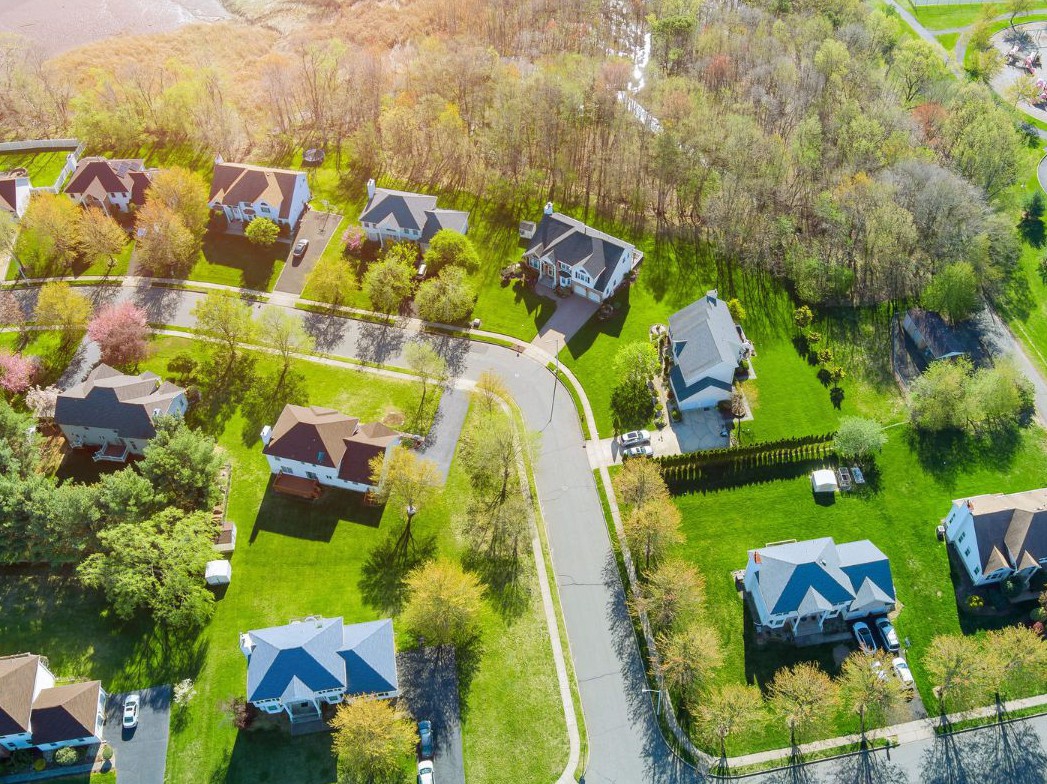
The Reasons Why You Can’t Compare Your Home to Your Neighbour’s (Even if They’re Alike)
“The house next door sold for this price. Mine should be worth at least as much!” Many homeowners reason this way—mistakenly. In fact, in real estate, two properties may appear identical on paper, but be viewed as quite dissimilar by buyers and by the market.
Behind outwardly matching houses often lie very real, yet sometimes imperceptible differences that directly influence the price and speed of the sale.
The Layout and Flow
An identical surface area doesn’t necessarily result in two identical experiences:
- ill-proportioned rooms
- bad circulation layout
- awkwardly placed staircases
- wasted space
Buyers pay for comfort, not square footage.
The Precise Location… Not the General Area
Just because two homes share the same neighbourhood doesn’t mean they’re comparable. A few metres can make quite a difference:
- in a cul-de-sac or on a busy street;
- sun orientation (south-facing backyard versus shaded backyard);
- the surrounding environment (retaining wall, building, vacant lot);
- open views or windows that look directly onto the next house.
Buyers consider the area’s daily rhythm, not just the postal code.
The Property’s Actual Condition (Not Just Its Age)
Two houses built in the same year can be worlds apart. Why? Upkeep.
- Has the roof been regularly maintained or has reshingling been repeatedly delayed?
- Have the systems been replaced at the appropriate time or not at all?
- Have minor repairs been carried out as needed or left to pile up?
A well-cared-for house inspires confidence; a house in less than perfect condition raises questions (and questions can prove costly during negotiations or when it comes to how long the property sits on the market).
Visible Renovations (and the Invisible Ones)
Have you updated your kitchen, but the neighbour hasn’t? That’s great. However, buyers also look at more fundamental aspects:
- the electricity
- the plumbing
- the insulation
- the foundation
- the windows
A house with spectacular interiors may impress at first glance, but its dated technical systems will lower its value upon inspection. Conversely, a less eye-catching yet structurally sound home may perform better on the market.
When the House Is Put on the Market
Your neighbour may have sold their residence
- under more favourable market conditions;
- with less competition;
- in a period of high demand;
- before a rise in interest rates.
The market can drastically shift even within a few weeks. Comparing two properties without taking market context into account often leads to unrealistic expectations.
Marketing: An Underestimated Factor
This is where many comparisons fall apart:
- professional photographs versus home photographs
- evocative description versus generic text
- strategic price versus emotional price
- optimized visits plan versus no plan
A well-marketed home can create a sense of scarcity. A poorly presented home can come across as “too expensive,” even if it isn’t. This is where partnering with an experienced real estate broker who knows the market can tip the scales in your favour.
Buyer Perception (and not Logic)
The owner compares rationally. The buyer goes by feel:
- ambiance
- natural light
- smells
- signs of regular maintenance
- overall consistency
Two equivalent residences (with regard to their listings) may elicit diametrically opposite emotional reactions.
The key thing to remember is that comparing your home to your neighbour’s is human nature… but rarely reliable. In real estate, the details you can’t see often have the greatest impact.